Denali East Group
Aesthetics Training Academy
Expert Training. Real Technique. Lead Your Field.
The Denali East Group Aesthetics Training Academy (ATA) offers hands-on, physician-led aesthetic training for licensed healthcare professionals and estheticians looking to expand their clinical skills, build confidence at the treatment table, and grow their practice revenue. Training is delivered in a real clinical environment — not a classroom — with live patient models, direct instruction, and the kind of practical knowledge that only comes from years of physician-led practice.
Every training session is led by Dr. Patel, a board-certified physician certified by the American Academy of Facial Esthetics (AAFE), with thousands of injections and procedures performed across a wide range of clinical settings. This is not a weekend certification mill. This is deliberate, precise, physician-directed training designed to produce injectors and practitioners who are safe, skilled, and ready to deliver results from day one.
Each session is four hours in length. If additional time is needed or desired on the day of training, the trainee may elect to extend their session, prorated accordingly. All sessions are offered at our aesthetics practice in Greenville, NC, or we can travel to your location for an additional travel fee.
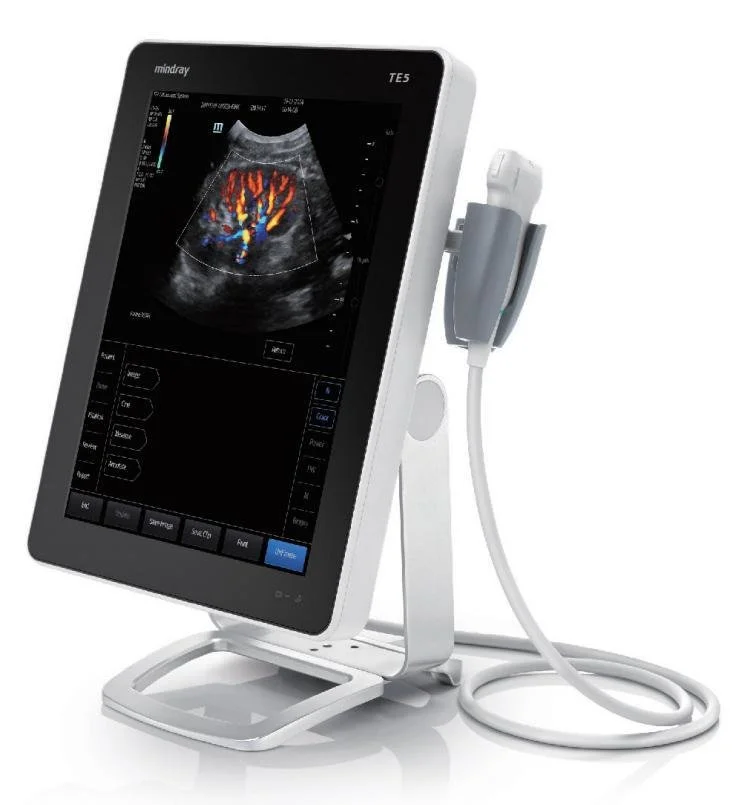
PreMap™ — Ultrasound-Guided Facial Vascular Mapping
Know Before You Inject.
Session Length: 4 Hours
Investment: $2,800
Who This Is For: Physicians, NPs, PAs, RNs, and any licensed injector performing botulinum toxin or dermal filler treatments
Prerequisites: None — however, this training is strongly recommended before or alongside any injectable training
Vascular complications from botulinum toxin and dermal filler injections — including vascular occlusion, tissue necrosis, and in rare but devastating cases, blindness — are among the most feared outcomes in aesthetic medicine. Many of these complications are not the result of poor technique alone. They happen because the injector did not know exactly where the vessels were.
PreMap™ addresses this directly.
This training teaches licensed injectors how to use ultrasound technology to map the vascular anatomy of the face prior to treatment — visualizing arteries, veins, and high-risk anatomical zones in real time before a single needle is placed. This knowledge does not replace good technique. It enhances it — adding a layer of precision and safety that separates clinically trained injectors from everyone else.
Dr. Patel brings over 15 years of hands-on ultrasound experience to this training — experience that spans formal instruction during medical training to years of real-world clinical application at the bedside. Throughout his career, he has used point-of-care ultrasound as a frontline diagnostic and procedural tool in fast-moving, high-acuity clinical environments where accuracy and speed are not optional. That depth of experience is not incidental to this training — it is the foundation of it. When Dr. Patel teaches ultrasound-guided facial vascular mapping, he is not teaching from a textbook. He is teaching from over a decade and a half of probe-in-hand clinical practice, translated directly into an aesthetic application that has the potential to prevent the most serious complications in injectable medicine.
✦ Denali East Group Aesthetics Training Academy is the only known facility in North Carolina — and one of very few in the world — offering formal, hands-on ultrasound-guided facial vascular mapping training for aesthetic injectors.
This distinction reflects not only the rarity of this training, but the level of clinical expertise required to teach it. PreMap™ is not a skill that can be learned from a course slide deck. It requires an instructor with genuine, years-long ultrasound proficiency — and that is precisely what Dr. Patel brings to every session.
What PreMap™ Training Covers
Introduction to facial ultrasound equipment and settings
Basic ultrasound principles as they apply to soft tissue and vascular imaging
Identifying key facial vessels: facial artery, angular artery, supratrochlear artery, supraorbital artery, temporal vessels, and more
High-risk anatomical danger zones for filler and tox injections
Mapping technique: systematic scanning of the face before treatment
Integrating vascular mapping into your pre-treatment consultation workflow
Documentation and patient communication around vascular findings
Recognition of early vascular compromise and emergency response protocols
Building a vascular mapping service into your practice — how to position and price it
Why This Training Matters for Your Revenue
PreMap™ is not only a safety skill — it is a differentiator and a revenue stream. Injectors who offer ultrasound-guided pre-injection vascular mapping can position themselves as a premium, safety-first provider in their market. This training will cover how to present vascular mapping to patients, how to structure it as a standalone or add-on service, and how to use it to command premium pricing within your practice.
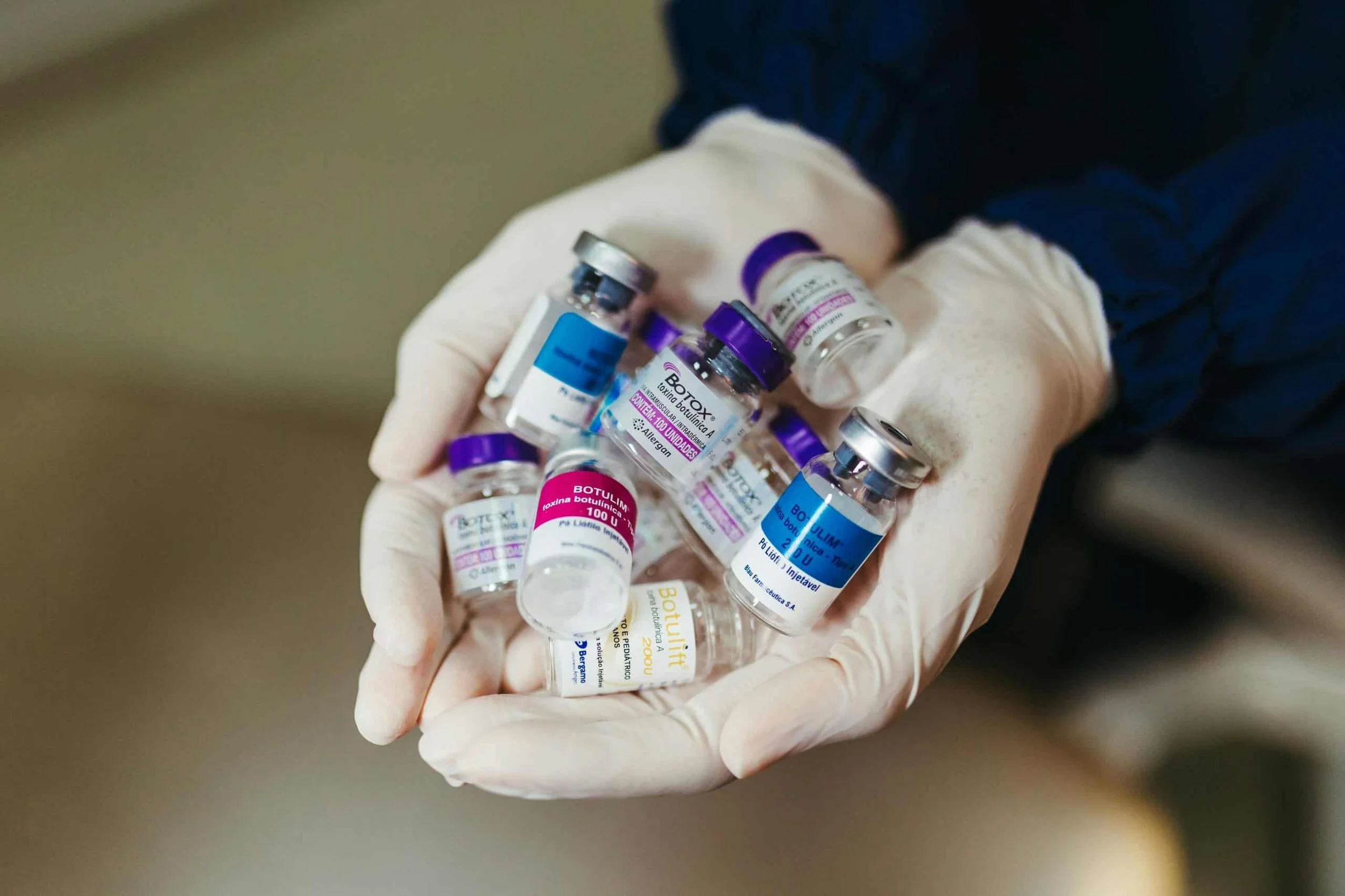
Botulinum Toxin Level I — Foundation Techniques
Upper Face Mastery. Safe Hands from Day One.
Session Length: 4 Hours
Investment: $2,000
Who This Is For: Physicians, NPs, PAs, and RNs with appropriate licensure to inject in their state
Prerequisites: None — this is the entry point for all botulinum toxin training
Note:Level I is required before enrolling in Level II or Level III
Botulinum toxin Level I is designed for licensed injectors who are new to neurotoxin treatments or who are looking to build a solid, physician-supervised foundation before advancing to more complex techniques. This training focuses on the upper face — the most commonly treated area and the right place for every new injector to begin.
You will leave this session having injected live patients under direct physician supervision, with a clear understanding of anatomy, dosing principles, technique, and what to do when things do not go as planned.
What Level I Training Covers
Treatment Areas:
Forehead lines (frontalis)
Glabellar complex — frown lines / "11s" (corrugator, procerus)
Crow's feet (orbicularis oculi)
Brow lifting and brow shaping
Lip flip (orbicularis oris, upper lip)
Smoker's lines / water bottle lines (perioral lines)
Clinical Foundations:
Anatomy of the upper face — muscle groups, planes, and key landmarks
Dilution protocols and unit dosing principles
Injection depth, angle, and volume per site
Patient assessment, consultation, and goal-setting
Managing patient expectations and building trust
Before and after documentation
Contraindications and patient screening
Complications & Management:
Ptosis (eyelid and brow drooping) — prevention and management
Asymmetry — causes and correction strategies
Headache post-injection
Bruising and swelling management
When and how to refer
Revenue Building
Level I covers how to structure your tox pricing, introduce package-based offerings, retain patients for follow-up appointments, and market yourself as a botulinum toxin provider within your existing practice or client base.
Botulinum Toxin Level II — Lower Face Techniques
Sculpt. Slim. Refine.
Session Length: 4 Hours
Investment: $2,000
Who This Is For: Physicians, NPs, PAs, and RNs with appropriate licensure to inject in their state
Prerequisites: Botulinum Toxin Level I (DEG ATA or equivalent verified training)
Level II builds directly on the foundation established in Level I and moves into the lower face — a more anatomically complex region where precise placement and dosing matter even more. Lower face botulinum toxin treatments are highly sought after by patients and represent a significant revenue opportunity for injectors who have mastered the technique.
This training focuses on facial contouring, slimming, and lower facial rejuvenation using neurotoxin — treatments that require a thorough understanding of lower facial anatomy and muscle interaction before any needle is placed.
What Level II Training Covers
Treatment Areas:
Masseter reduction — facial slimming and jaw contouring
Chin — dimpling, cobblestone texture, and chin tip refinement
Jawline definition
Platysmal bands — neck rejuvenation
DAO (Depressor Anguli Oris) — downturned mouth corners
Gummy smile (Levator Labii Superioris Alaeque Nasi)
Clinical Foundations:
Lower facial anatomy — muscles, nerves, and vascular considerations
Dosing differences between upper and lower face
Masseter assessment and injection mapping
Managing the patient who wants a slimmer face — realistic outcomes and patient selection
Layering lower face tox with upper face treatments for a full-face approach
Combination therapy: when tox and filler work together in the lower face
Complications & Management:
Smile asymmetry and lip dysfunction
Difficulty chewing post-masseter injection
Neck weakness from platysmal band treatment
Over-correction and under-correction strategies
Revenue Building
Level II includes a focused discussion on how to market facial slimming treatments, bundle upper and lower face sessions into higher-value appointments, and attract a new category of patient who may not have considered botulinum toxin previously.
Botulinum Toxin Level III — Advanced Techniques
Beyond the Basics. Elite-Level Practice.
Session Length: 4 Hours
Investment: $2,000
Who This Is For: Physicians, NPs, PAs, and RNs with appropriate licensure to inject in their state
Prerequisites: Botulinum Toxin Level I AND Level II (DEG ATA or equivalent verified training for both)
Level III is for the injector who has moved past the basics and is ready to expand into advanced, high-demand applications of botulinum toxin — including medical and therapeutic uses that most medspas cannot offer. This training covers techniques that require deeper anatomical knowledge, more nuanced dosing, and a higher level of clinical judgment. For licensed healthcare providers, mastering these applications opens significant revenue and referral opportunities.
What Level III Training Covers
Advanced Treatment Areas:
Nasal refinement — bunny lines, nasal tip lifting, nasal flaring
Hyperhidrosis — excessive sweating treatment of the underarms, palms, and scalp
Oily skin and sebaceous reduction — using tox to reduce pore size and surface oil production
Migraine and chronic tension headache management with botulinum toxin
TMJ dysfunction, jaw clenching, and bruxism — advanced protocol beyond basic masseter treatment
Full facial harmonization — combining all levels into a single cohesive treatment plan
Clinical Foundations:
Patient selection criteria for therapeutic botulinum toxin applications
Documentation and clinical notes for therapeutic use cases
Starch-iodine test for hyperhidrosis mapping
Understanding the medical vs. cosmetic distinction and how it applies to your practice
Insurance reimbursement considerations for therapeutic tox applications
Managing the complex patient with multiple treatment goals
Complications & Management:
Advanced complication recognition across all facial zones
Managing complications in high-risk areas — orbital region, nasal area
Building a complication response protocol for your practice
Revenue Building
Level III includes an in-depth discussion on positioning therapeutic botulinum toxin as a premium service, pricing hyperhidrosis and migraine treatments, attracting medical referrals, and creating a practice model where aesthetic and therapeutic tox co-exist and complement one another.
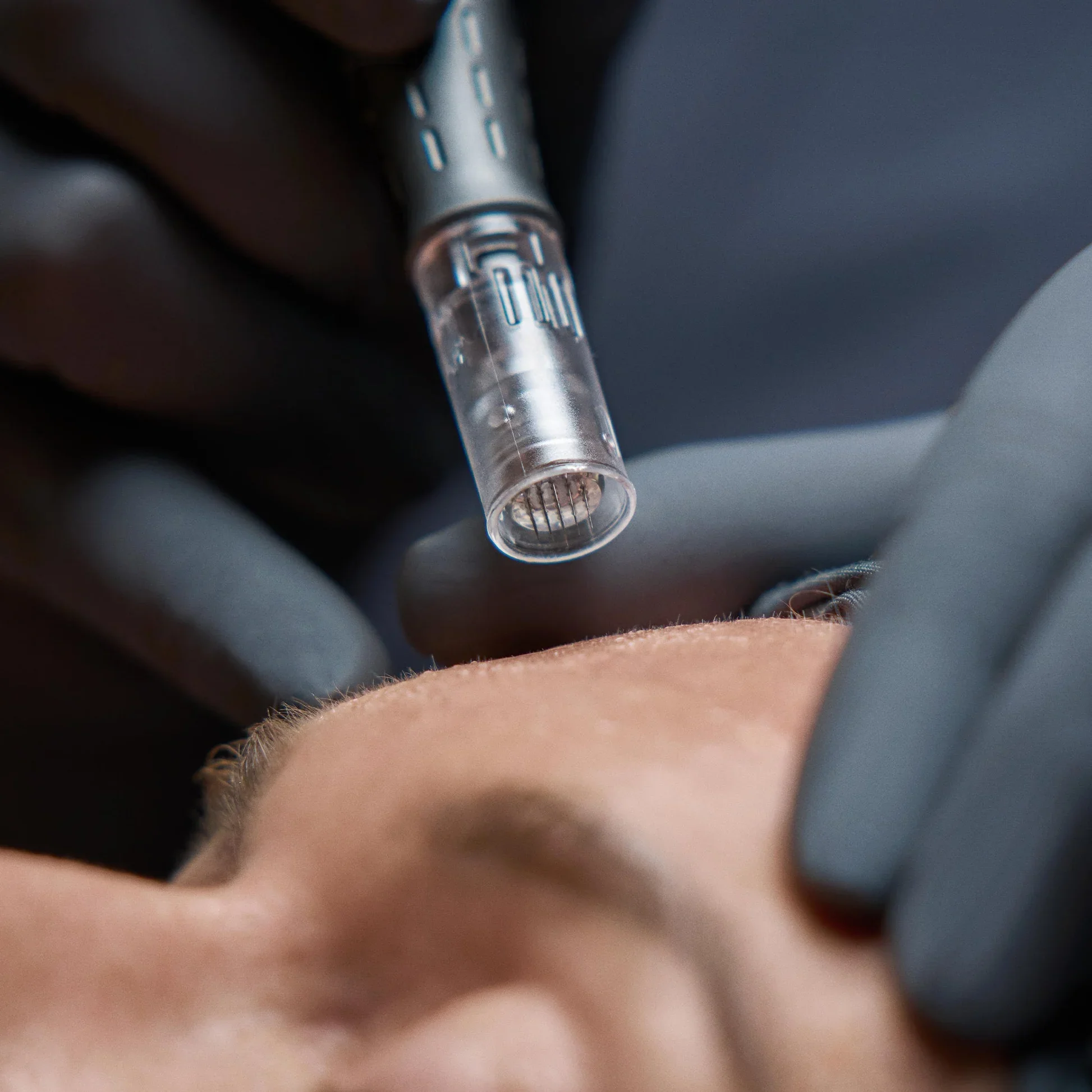
Microneedling Training
Technique. Safety. Results.
Session Length: 4 Hours
Investment: $2,000
Who This Is For: Physicians, NPs, PAs, RNs, and licensed estheticians with scope of practice that permits microneedling in their state
Prerequisites: None
Microneedling is one of the most in-demand aesthetic treatments available today — and one of the most frequently performed incorrectly. Improper technique, inappropriate depth selection, and poor post-care guidance lead to suboptimal results and avoidable complications that damage both the patient and the provider's reputation.
This training covers everything a new or advancing microneedling practitioner needs to perform the treatment safely, effectively, and in a way that keeps patients coming back. Whether you are adding microneedling to an existing practice or building a service menu from scratch, this session will give you the foundation and the confidence to deliver consistent, professional results.
What Microneedling Training Covers
Core Technique:
Skin anatomy as it relates to microneedling — understanding depth, layers, and tissue response
Device overview — how microneedling pens work, needle cartridge selection, and device settings
Pre-treatment skin assessment and patient selection
Numbing protocols — application, timing, and what to do when numbing is inadequate
Systematic treatment mapping — ensuring full, even coverage across all facial zones
Depth selection by treatment area and indication
Speed, pressure, and pass technique
Post-treatment care and patient instructions
Microneedling Add-Ons:
Exosomes — what they are, how to apply them, and how to discuss them with patients
Platelet-Rich Plasma (PRP) — basics of combining PRP with microneedling
Medical-grade serum infusion during treatment
Hair restoration microneedling — scalp technique and protocol differences
When and how to recommend combination therapy with chemical peels or tox
Complications & Management:
Post-inflammatory hyperpigmentation (PIH) — prevention and management, particularly in darker skin tones
Infection risk and sterile technique requirements
Over-treatment and barrier disruption — recognition and recovery
Bruising, prolonged redness, and abnormal healing responses
Contraindications — when not to treat
Managing the unhappy patient
Revenue Building
This session includes a dedicated discussion on how to structure microneedling pricing, introduce add-on services to increase per-visit revenue, design treatment packages and series pricing, market microneedling effectively on social media and in your existing client base, and build a referral network around this service.
Physician-Led Training
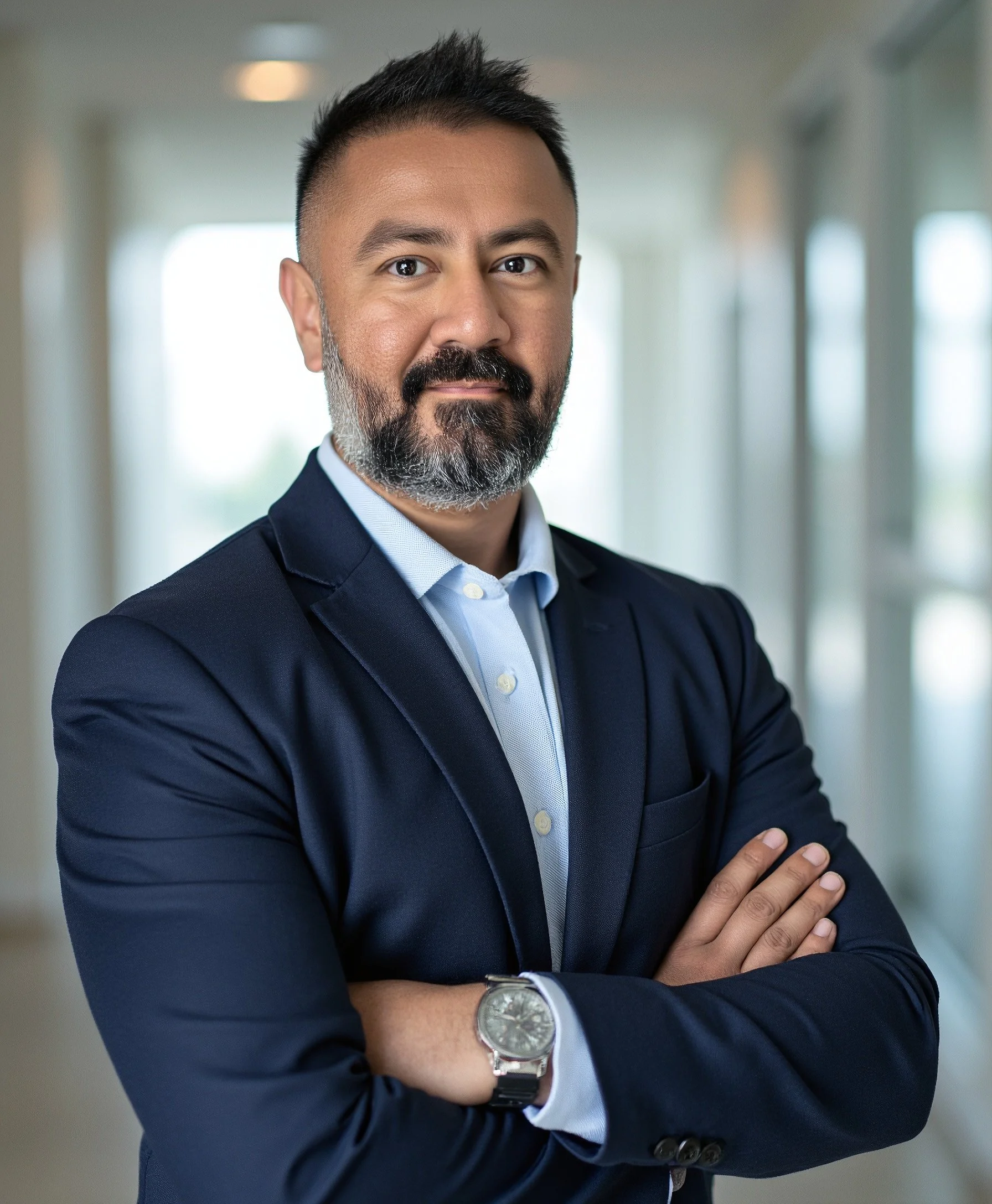
All training at the Denali East Group Aesthetics Training Academy is led directly by Dr. Patel, a board-certified physician with specialized facial aesthetics training through the American Academy of Facial Esthetics (AAFE), 25+ years of educator experience, and 15+ years of hands-on clinical and procedural experience spanning his career.
Dr. Patel does not teach theory in isolation. Every session is grounded in the kind of real-world clinical experience that only comes from performing thousands of injections and procedures across a wide range of patient presentations, anatomical variations, and clinical settings — including high-acuity environments where precision, composure, and sound medical judgment are not optional. That background shapes not only what he teaches, but how he teaches it. Trainees learn not just technique, but the clinical reasoning behind every decision — why a certain depth, why a specific unit count, why one patient is a candidate and another is not.
This physician-led training model means:
You are learning from a board-certified physician — not a trainer who learned from a trainer
Technique is taught alongside the anatomy, pharmacology, and clinical judgment that supports it
Complications are covered honestly and thoroughly, with real management protocols
You leave not just having performed a skill, but understanding it well enough to teach it
The goal of every Aesthetics Training Academy training session is not simply to put a needle in your hand. It is to produce a practitioner who is safe, confident, clinically grounded, and fully prepared to deliver results from the first patient they treat independently.
Where is training held?
Training is conducted at our aesthetics practice in Greenville, North Carolina. The specific address and suite information will be provided upon booking confirmation.
Will you travel to my location?
Yes. We are happy to bring training directly to your practice or facility. Please note that an additional travel fee will apply for on-site training outside of our Greenville, NC location. Contact us directly for travel availability and pricing.
Is each training session individual or can I bring a group?
All ATA training sessions are conducted as one-on-one, private instruction between Dr. Patel and the individual trainee. This ensures that every session is fully focused on your specific skill level, learning pace, and the techniques most relevant to your practice — without the distraction or time dilution that comes with group settings.
That said, group training is available for practices or teams interested in training multiple providers together. Group pricing discounts are available upon request — please contact us directly to discuss availability and pricing. Please note that group sessions are subject to the same non-refundable deposit and payment policies outlined in these FAQs, and that all trainees in a group session share the scheduled training time rather than each receiving a separate four-hour block. Group sessions will generally last 2 hours more and be prorated for any time thereafter.
Will I need to provide a training model?
Yes. You are responsible for arranging your own live patient training model or models. We strongly recommend having at least two models available on the day of training to ensure you have adequate hands-on time. A minimum of one model is required.
Please note: if your training session must be cancelled or cannot proceed on the scheduled date due to a lack of a training model, your non-refundable deposit will be forfeited. It is your responsibility to confirm your model's availability prior to your training date.
How are payments handled?
A 50% deposit is required at the time of booking to secure your training date. This deposit is non-refundable once payment has been made.
The remaining balance is due no later than three days prior to your scheduled training date and is also non-refundable.
If you need to cancel after full or partial payment has been made, the amount paid may be applied as a credit toward a future training session for up to six months from the date of your original training. After six months, any unused credit is no longer available or redeemable.
Is there any additional support available after training?
Yes. Every training session includes four weeks of post-training support at no additional charge. During this period, you may reach out via email or phone call with questions that arise as you begin applying your new skills in practice.
After the included four-week period, ongoing support is available for purchase at $250 per month for trainees who wish to maintain access to post-training guidance.